How much does a new roof cost in Oklahoma City?
Most asphalt shingle replacements in the OKC metro fall between about $10,000 and $30,000. Where you land depends on size, pitch and complexity. A simple 1,600 sq ft ranch in Bethany sits near the low end, and a steep, cut-up two-story in Edmond near the high end. Class 4 impact-resistant shingles add roughly 10–25%, and standing-seam metal often runs $28,000 to $50,000 or more. Decking replacement on older homes can add a few thousand dollars. If hail or wind caused the damage, your insurance may pay most of the cost minus your deductible. We put everything in a written estimate before work begins.
How long does a roof replacement take?
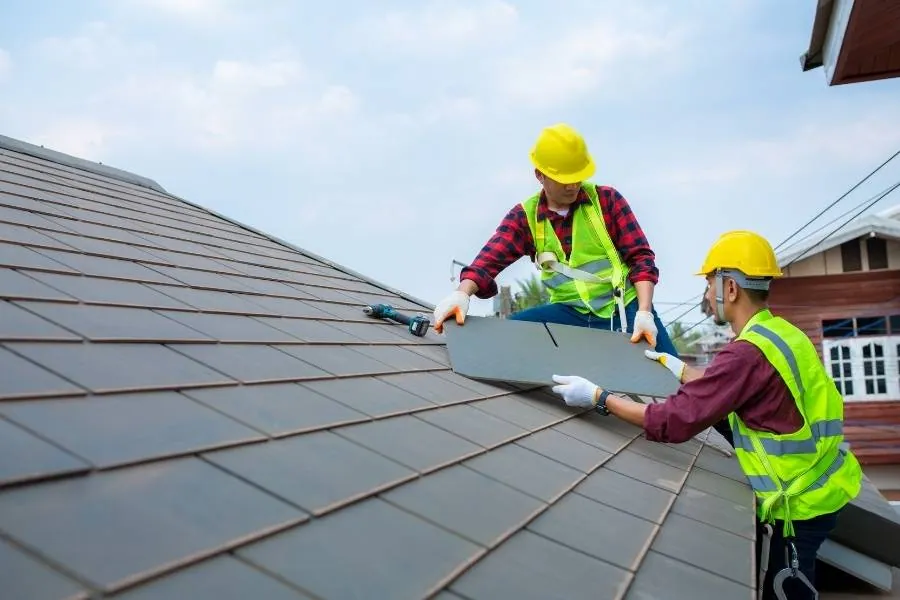
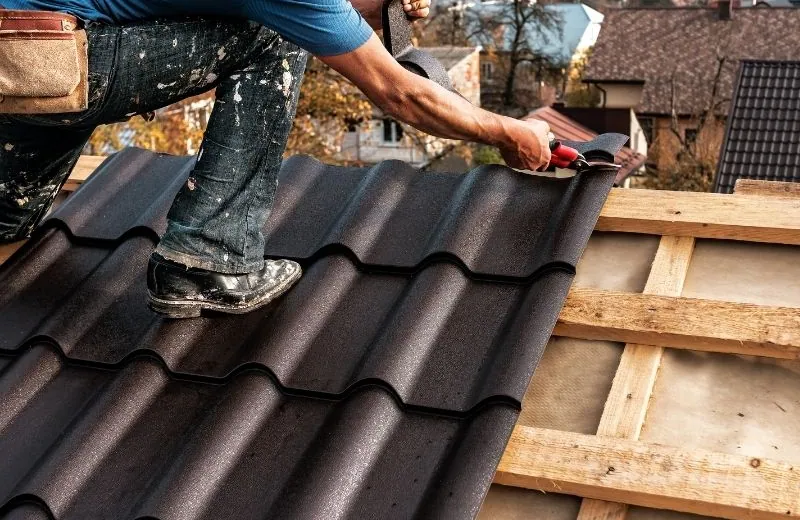
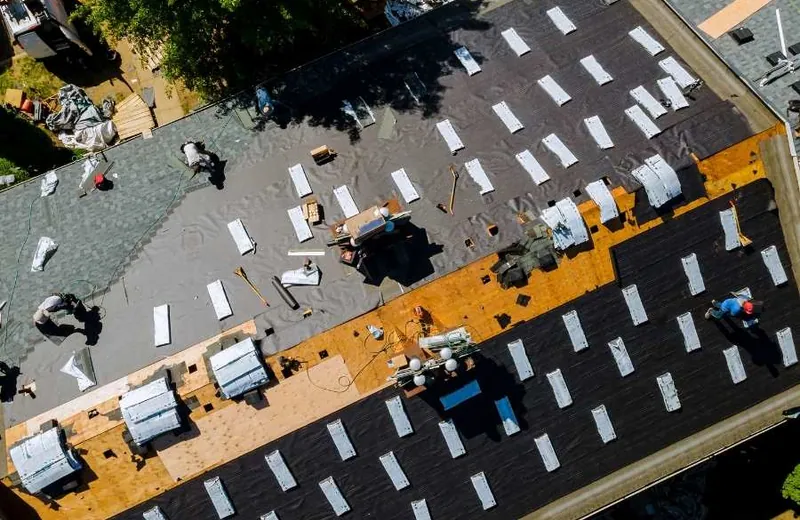
Installation for most single-family homes takes one to two days. Large, steep or specialty roofs like tile, slate or standing-seam metal can take several days. The longer part is often what comes before: insurance approval, permits and any HOA or historic-commission sign-off can take anywhere from one to four weeks. After big spring hailstorms, demand across the metro surges, so getting on the schedule early helps. We'll give you a realistic start date with your estimate and keep you updated if weather pushes it back.
Do I need a permit to replace my roof in Oklahoma City or Edmond?
Yes, in most cases. Oklahoma City Development Services, Edmond, Midwest City, Del City, Yukon, Bethany, Nichols Hills and most surrounding cities require a building permit for a full re-roof, and the rules vary a bit from city to city. If you live in an OKC historic district like Heritage Hills, Mesta Park or Crown Heights, changing roofing material, color or profile generally requires a Certificate of Appropriateness. Many Edmond, Deer Creek and Piedmont HOAs also require architectural committee approval. We pull the city permit and help prepare HOA or historic submittals.
How do I know if my roof has hail damage?
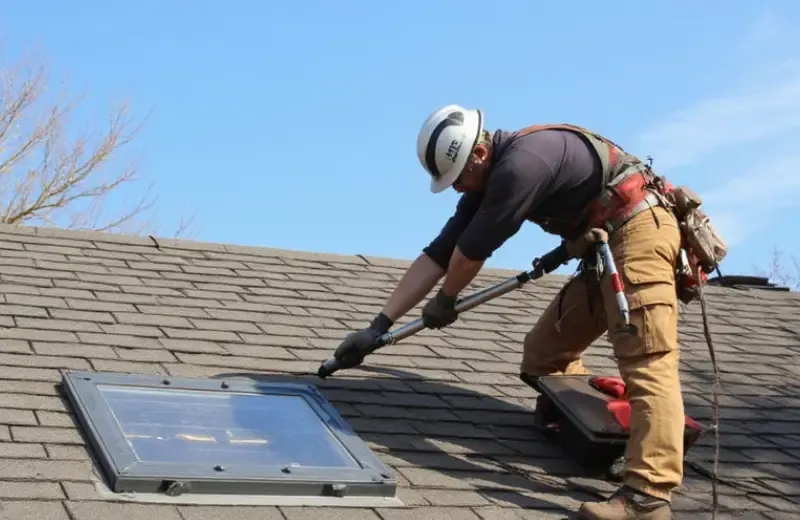
Often you can't tell from the ground. Clues include dented gutters, downspouts, vents or AC fins, granules washing out of the downspouts, and neighbors getting new roofs after the same storm. On the roof itself, hail leaves dark spots where granules are missing, soft bruises in the shingle mat and sometimes cracks. Those spots can turn into leaks months later. Because many policies set a time limit for filing, commonly one to two years after the storm, it's smart to get an inspection soon after any significant hail. We document what we find with close-up photos.
Will you cover my insurance deductible or deal with the adjuster for me?
No, and you should be cautious of any roofer who offers to. Waiving or rebating a deductible can be insurance fraud, and Oklahoma law doesn't allow contractors to act as public adjusters. What we can do is give you detailed photo documentation, explain which code-required items your insurer may need to include, and be there for the adjuster meeting. If your deductible is a stretch, financing is available. Also remember that Oklahoma law lets you cancel an insurance-related roofing contract if your claim is denied.
Is a metal or impact-resistant roof worth it in OKC?
For many homeowners here, yes. If you've filed more than one hail claim, or you're facing rising premiums and a 1–2% wind/hail deductible, a Class 4 shingle or metal roof can reduce future damage and may qualify for insurance discounts. Ask your agent what your carrier offers. Roofs built to the IBHS FORTIFIED standard may also be eligible for Strengthen Oklahoma Homes grants. Metal costs more up front but handles wind and heat very well. We'll compare the options honestly for your house and how long you plan to stay.
How can I prevent roof problems between storms?
A few habits go a long way. Keep gutters clear, especially under big trees in older neighborhoods, so water doesn't back up under the roof edge. Trim limbs that overhang the roof before ice storm season. Make sure soffit vents aren't blocked by insulation, since a hot, unvented attic can take years off shingles in OKC summers. Check your attic after heavy spring rains for stains. And schedule an inspection after any hail event or once a year. Catching a lifted tab or cracked pipe boot early costs a fraction of what a rotted deck does.
When should I call for emergency roof repair?
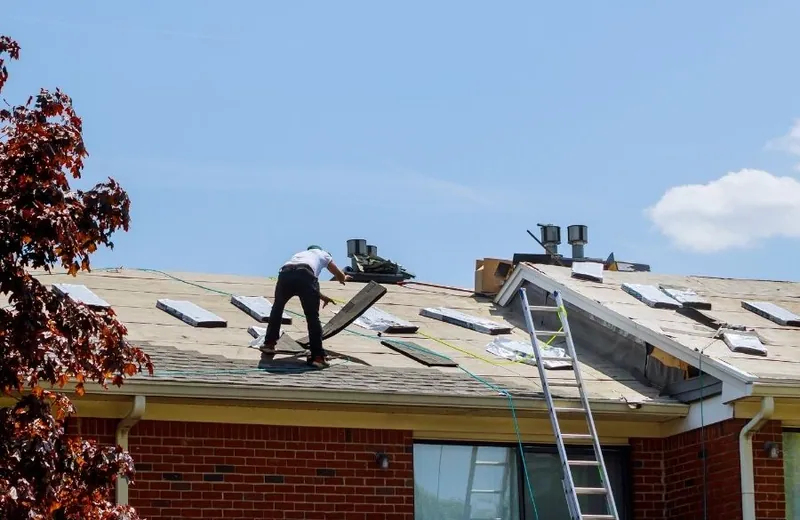
Call right away if water is coming into your home, a limb or debris has broken through the roof, sections of shingles are missing, or your ceiling is sagging. Fast tarping limits damage to insulation, drywall and belongings, and most policies expect you to take reasonable steps to prevent further loss. Before we arrive, take photos, move valuables, put buckets under drips, and stay off the roof. If there's any electrical or structural concern, contact the appropriate emergency services first.